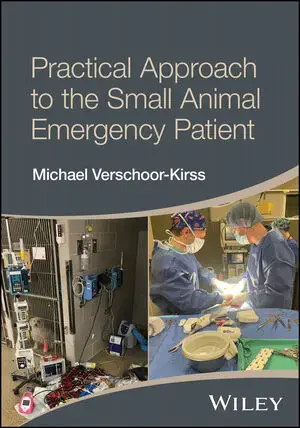
AVAILABLE FOR PRE-ORDERDelivery in April 2026 Michael Verschoor-Kirss Practical Approach to the Small Animal Emergency Patient helps veterinarians identify the critical questions to identify diagnostic and therapeutic priorities when faced with an emergency situation. The book reviews important decision points for common emergencies and emphasizes how to think, not just what to do. The first section of the book covers general principles of emergency medicine topics such as triage, sedation and lab work selection, while the latter part of the book applies those principles to common emergency presentations. The intention of this book is not to provide the clinician with an exhaustive review of pathophysiology, but uses current research and decision making tools to provide the clinician with the questions and tools to decide whether a certain intervention is appropriate. Each chapter also includes a section on client communication to help guide new clinicians in speaking with family members about diagnostic testing, treatment approaches, and prognosis. Read more Practical Approach to the Small Animal Emergency Patient includes information on: Fluid therapy, covering fluid requirements, fluid selection, patients with heart murmurs, and correcting electrolyte abnormalities Sedation and analgesia, covering appropriate use and risks of inadequate or inappropriate sedation Diabetic emergencies including diabetic ketoacidosis, hyperglycemic nonketotic syndrome, and hypoglycemia Treatment for car accidents, penetrating trauma, and dog bite wounds Gastrointestinal distress, covering surgical versus non-surgical causes, the need for imaging, and difference between inpatient and outpatient assessment